Sejuce Digital Logo

Effective SEO Strategies to Rank Your Sydney Business

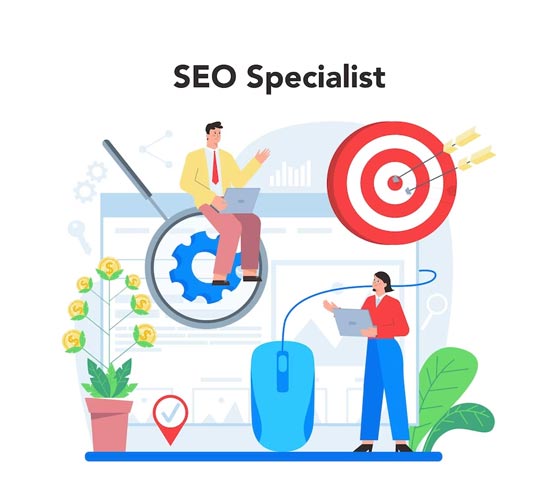
Marketing strategist planning Effective SEO Strategies to Rank Your Sydney for a Sydney business

Share This Post

In today’s digital marketplace, showing up prominently in search results can make a real difference to how quickly a business grows. For companies competing in Sydney, SEO is not just a nice extra. It is one of the most practical ways to increase visibility, attract qualified traffic, and turn online interest into genuine enquiries or sales.

If you are still getting familiar with the basics, this guide on why SEO is important for your business explains how search optimisation makes your website easier for both search engines and real people to understand. Done properly, it improves how your business appears online and helps you compete more effectively in a crowded local market.

Sydney is home to businesses in nearly every niche, from trades and healthcare to hospitality, professional services, retail, and eCommerce. That level of competition means simply having a website is no longer enough. You need a site that loads well, answers search intent clearly, earns trust, and signals relevance for the areas you serve.

Below are effective SEO strategies that can help a Sydney business improve rankings, strengthen local visibility, and build a more reliable source of organic traffic over time.

1. Focus on local SEO first

For many Sydney businesses, local SEO should be the foundation of the strategy. If your customers are searching for nearby providers, Google wants to show results that are geographically relevant, trustworthy, and easy to verify.

That means your local presence needs to be accurate, complete, and consistent across the web.

Optimise your Google Business Profile

Your Google Business Profile is one of the most important local SEO assets you have. It influences how your business appears in Google Maps and local search results, especially for queries with local intent.

Make sure your profile includes:

  • Your exact business name
  • Correct address and phone number
  • Current trading hours
  • The most relevant primary and secondary categories
  • A clear business description
  • High-quality images of your business, team, products, or work

Keep everything up to date. Even small errors, such as an old phone number or outdated opening hours, can affect customer trust and create confusion for search engines.

Build and manage reviews properly

Reviews support local visibility and also influence click-throughs and conversions. A strong review profile helps people feel more confident about choosing your business, particularly when they are comparing several local options.

Encourage happy customers to leave genuine reviews, and respond to them thoughtfully. Thank people for positive feedback and address negative feedback calmly and professionally. Active review management shows that your business is engaged and legitimate.

Keep local citations consistent

Directory listings still matter, particularly for local trust signals. If your business appears on sites such as Yelp, Yellow Pages, and TrueLocal, your details should match exactly across each listing.

Consistency in your name, address, phone number, and website URL reduces ambiguity and strengthens local relevance. Inconsistent citations can weaken trust and make it harder for search engines to confirm your business information.

Create location relevance on your website

Your site should also reinforce where you work. Mention Sydney and your service areas naturally in relevant places, such as service pages, contact pages, page titles, and supporting content. This should feel helpful, not forced.

If you serve several suburbs or regions, be specific where appropriate. Clear geographic signals help search engines understand the local audience you are trying to reach.

2. Start with smart keyword research

Keyword research helps you understand how potential customers search, what language they use, and which topics are worth targeting. It is not only about search volume. It is about finding the terms that align with your services, your audience, and the intent behind each search.

Look for local intent

For a Sydney business, location-modified searches are often important. People may search by city, suburb, or with intent-driven phrases such as “near me”, “best”, “same day”, or “open now”.

Use tools such as Google Keyword Planner, Semrush, Ahrefs, and Google Search Console to identify:

  • Core service keywords
  • Location-based terms
  • Informational questions your customers ask
  • Commercial phrases that indicate buying intent

A good keyword strategy usually includes a mix of high-intent service terms and lower-competition opportunities that are easier to win.

Use long-tail keywords naturally

Long-tail keywords are more specific search phrases, often containing three words or more. These terms may attract less traffic individually, but they often bring in users who know what they want and are closer to taking action.

For example, a broad keyword may be difficult to rank for, while a more specific phrase can align better with a page that answers a precise need. Long-tail searches are also useful for blog content, FAQs, and detailed service pages.

The key is to work them into your content naturally. Avoid forcing the same phrase repeatedly. Search engines are far better at understanding context than they used to be, so clear writing and topic coverage matter more than repetition.

Match keywords to the right page type

Not every keyword belongs on your homepage. Some are best suited to service pages, while others are better addressed in blog articles, resource pages, or FAQs.

When the intent of the keyword matches the intent of the page, you give that page a much better chance of ranking well and satisfying the visitor once they arrive.

3. Strengthen your on-page SEO

On-page SEO is about helping search engines and users understand each page clearly. It covers everything from titles and headings to body content, image optimisation, internal structure, and user experience signals.

Write useful, original content

High-quality content remains central to SEO because it helps users solve problems, compare options, and make informed decisions. Thin pages with generic statements rarely perform well for long, especially in competitive local markets.

Strong content should:

  • Answer the user’s likely questions
  • Explain services or topics clearly
  • Use plain, readable language
  • Show relevance to Sydney audiences where appropriate
  • Offer enough depth to be genuinely useful

That does not mean every page needs to be long. It does mean each page should serve a clear purpose and contain enough substance to justify its place on your site.

Improve title tags and meta descriptions

Title tags and meta descriptions may seem small, but they have a big impact on how your pages appear in search results. A good title helps Google understand the page topic, while a strong meta description can improve click-through rate by making the result more appealing.

Your titles should be unique, descriptive, and aligned with search intent. Meta descriptions should summarise the page honestly and encourage users to click without sounding exaggerated or spammy.

Use headings to improve clarity

Clear heading structure makes content easier to scan for users and easier to interpret for search engines. Use one main heading for the page topic and then break the page into logical sections with supporting headings.

This helps visitors find the information they need quickly, particularly on mobile, where long unstructured blocks of text are harder to read.

Optimise images and supporting media

Images, charts, screenshots, and videos can improve engagement when they genuinely support the page. They should be compressed properly, named sensibly, and include helpful alt text where appropriate.

Optimised media contributes to better accessibility, faster load times, and a stronger user experience overall.

4. Build authority with off-page SEO

Off-page SEO refers to the signals your site receives from elsewhere on the web. The strongest of these signals are usually backlinks from reputable websites, but mentions, brand visibility, and local recognition can also support your authority.

Earn quality backlinks, not just more links

Backlinks still matter because they can act as endorsements. When credible, relevant websites link to your content or business, it helps search engines view your site as more trustworthy.

What matters most is quality and relevance. A small number of genuine links from respected local or industry websites can be far more valuable than a large number of low-quality links.

Common ways to earn better links include:

  • Creating useful resources people want to reference
  • Building relationships with local organisations or publications
  • Contributing expert commentary or guest articles where appropriate
  • Being featured in community, industry, or event listings

Avoid tactics that focus on volume over value. Low-quality link schemes can do more harm than good.

Use social media to support visibility

Social media is not a direct ranking factor in the traditional sense, but it can still support SEO outcomes. Sharing content through platforms such as Facebook, LinkedIn, Instagram, or other relevant channels can increase exposure, attract visits, and create more opportunities for people to discover and reference your brand.

It is best viewed as a supporting channel rather than the core SEO tactic. Useful content promoted well can travel further than content that is simply published and left alone.

Strengthen brand trust beyond your site

Search engines increasingly evaluate overall trust and credibility. Mentions on relevant sites, accurate business information, a professional public presence, and a clear brand identity can all contribute indirectly to stronger SEO performance.

For local businesses, this often means being visible in the places your market already uses and trusts.

5. Get the technical foundations right

Technical SEO helps ensure your website can be crawled, indexed, and used efficiently. If the technical foundation is weak, even excellent content can struggle to perform.

Improve site speed

Page speed affects both user experience and SEO. Visitors are less likely to stay on a slow website, especially on mobile connections. Search engines also recognise performance as part of page quality.

Common speed improvements include:

  • Compressing images
  • Reducing unnecessary scripts
  • Using browser caching
  • Improving hosting quality
  • Minifying CSS and JavaScript where appropriate

Tools such as PageSpeed Insights can help identify issues, but the goal is not simply to chase perfect scores. The goal is to create a faster, smoother experience for real users.

Make mobile usability a priority

Most searches now happen on mobile devices, so your website must work well on smaller screens. Text should be easy to read, buttons should be easy to tap, and navigation should feel straightforward without excessive pinching, zooming, or horizontal scrolling.

A mobile-friendly design is no longer optional. It is an expected baseline for both usability and search performance.

Check crawlability and indexation

If important pages are blocked, duplicated, or difficult for search engines to crawl, rankings can suffer. Review your XML sitemap, robots instructions, canonical tags, redirects, and internal structure to make sure search engines can find and understand your key content.

Technical housekeeping often goes unnoticed when it is done well, but it plays a major role in long-term SEO stability.

Maintain secure and clean site architecture

Use HTTPS, keep plugins and themes updated, and organise your site into a logical structure that is easy to navigate. A clean architecture helps users find information faster and helps search engines understand how different pages relate to each other.

Good technical SEO is less about tricks and more about removing friction.

6. Optimise for changing search behaviour

Search behaviour continues to evolve. People now search in more conversational ways, compare options across devices, and expect quick, relevant answers. SEO strategies that adapt to this behaviour tend to perform better over time.

Prepare for voice and conversational search

Voice search has encouraged more natural-language queries, especially for local searches and question-based searches. People often speak differently than they type, so it helps to include clear answers to common questions in your content.

FAQ sections, concise explanatory paragraphs, and naturally written headings can help your pages align with conversational search patterns without sounding forced.

Cover intent, not just keywords

Modern SEO is less about exact-match repetition and more about whether a page genuinely satisfies intent. If someone is comparing providers, your page should help them compare. If they want a quick answer, the answer should be easy to find. If they are ready to contact you, the next step should be obvious.

This intent-first approach often leads to better engagement and more useful content.

7. Measure performance and refine the strategy

SEO is not a one-off task. It is an ongoing process of improvement, analysis, and adaptation. Once the main foundations are in place, you need to monitor how the site is performing and adjust based on real data.

Use the right tools

Google Analytics and Google Search Console remain essential for understanding traffic, user behaviour, queries, page performance, and technical issues. Together, they can show:

  • Which pages attract organic traffic
  • Which search queries generate impressions and clicks
  • Where users drop off or engage well
  • Whether pages are being indexed correctly
  • Which improvements may have the biggest impact

Rank tracking tools can also be useful, but rankings alone should not be the only success metric. Traffic quality, leads, enquiries, and conversions matter just as much.

Review what is working and what is not

Not every page will perform equally. Some pages may need stronger content, clearer search intent alignment, better metadata, or technical fixes. Others may already be close to ranking well and simply need refinement.

Regular reviews help you prioritise the opportunities most likely to move the needle instead of making random changes across the whole site.

Keep content fresh where needed

Updating older content can be one of the most efficient ways to improve SEO performance. Refresh outdated advice, improve structure, add missing detail, and make pages more useful to current users. This is particularly important in competitive industries where stale content quickly loses relevance.

8. Think long term for sustainable growth

One of the biggest misconceptions about SEO is that it produces instant results. In reality, sustainable search visibility is usually built gradually. Strong rankings come from the combined effect of useful content, local relevance, sound technical optimisation, and trustworthy signals over time.

For Sydney businesses, this long-term approach is especially important because the competitive landscape is active and constantly shifting. Businesses that invest steadily in SEO are often better placed to maintain visibility than those relying on short bursts of activity.

If you need outside guidance, it can help to get practical support from an SEO consultant in Melbourne who can assess priorities, identify technical issues, and shape a strategy based on your business goals rather than generic checklists.

The most effective SEO strategies are the ones that make your website more useful, more credible, and easier to discover. By improving your local SEO, refining your keyword targeting, strengthening on-page content, building authority, and maintaining solid technical performance, your Sydney business can compete more confidently in search and attract the right audience over the long term.

SEO may take time, but for businesses that want durable online growth, it remains one of the most valuable digital marketing investments available.

Picture of Sejuce Digital

Sejuce Digital

Sejuce Digital is an Australian SEO consultancy that helps small businesses improve their online presence and marketing.

For years, we have supported business owners in building stronger brands, setting up effective marketing systems, and positioning themselves for growth in the digital space.

Sejuce Digital was created to give local businesses the tools and support they need to see results quickly. From SEO and Google Ads to web traffic strategies and digital marketing, our focus is on helping small businesses stay competitive and attract more customers.

Ready to book your free 20min SEO call?

More To Explore

Want To Boost Your Business?

Contact us today and lets get started.

Business coaching contact us template page