SEO for plastic surgeons, cosmetic surgery clinics and specialist clinics
Plastic Surgery SEO That Brings in More Consultation Enquiries
Plastic surgery clinics do not need more random website traffic. They need patients to find the right procedure page, trust the surgeon, understand the clinic and take the next step with confidence.
Sejuce Digital builds plastic surgery SEO campaigns around procedure pages, surgeon profiles, before-and-after galleries, local SEO, Google Business Profile, Google Maps, reviews, technical fixes and enquiry tracking. The aim is clear. More qualified calls, forms and consultation requests from people already researching treatment options.
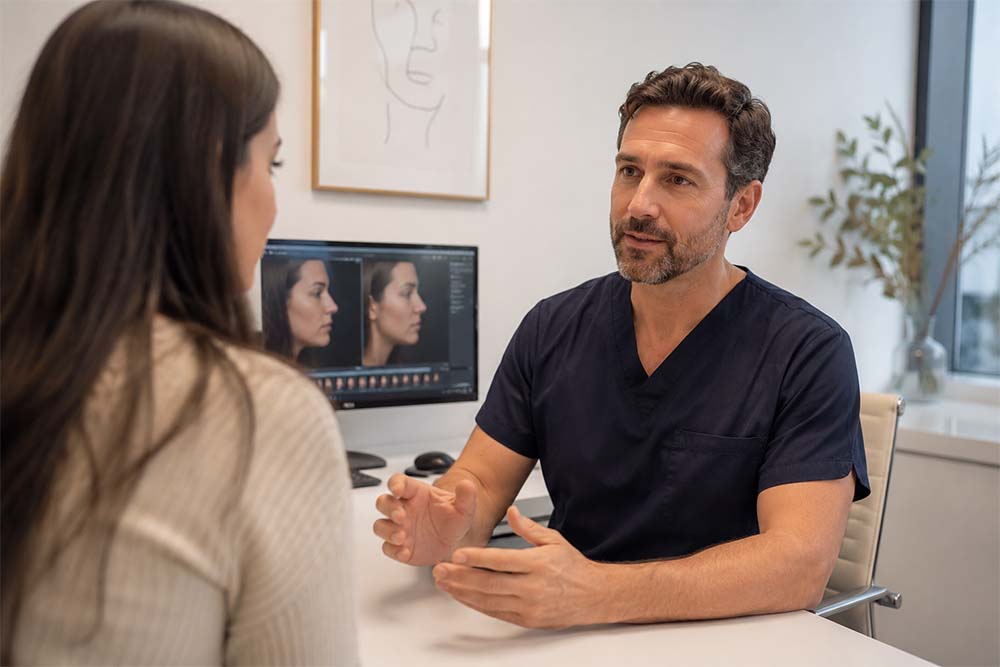
Plastic Surgery SEO Australia
Patients Research the Clinic Before They Enquire
Plastic surgery SEO gets your clinic found when people search for procedure information, surgeon credentials, consultation options, cosmetic surgery clinics, plastic surgeons near them and treatment pages in their suburb or city.
The search journey is high trust. A patient compares surgeon profiles, reviews, before-and-after examples, procedure pages, clinic location, Google Maps results, fees, risks, recovery information and contact options before they make an enquiry.
Your website needs to make that choice easier. It needs clear procedure pages, local signals, trust markers, concise FAQs and contact paths that guide the visitor towards a call, form submission or consultation booking.
Built for clinics that need consultation enquiries, not empty traffic.
The strongest plastic surgery SEO campaigns connect patient intent with the pages, proof and contact paths people need before they enquire.
- Procedure-led SEO for surgical and cosmetic treatment pages.
- Clinic trust signals across surgeon profiles, reviews, galleries and FAQs.
- Enquiry tracking across calls, forms, booking buttons and key website actions.
Plain answer
What Is Plastic Surgery SEO?
Definition
Plastic surgery SEO is search engine optimisation for plastic surgeons, cosmetic surgery clinics and specialist clinics. It improves website structure, procedure pages, local SEO, Google Business Profile, Google Maps signals, reviews, surgeon profiles and patient-focused content so more people find and contact the clinic.
Main outcome
The goal is not just higher rankings. The goal is more relevant calls, form submissions, consultation requests, Google Maps actions and new patient enquiries from people researching cosmetic or surgical procedures.
Clinic-specific strategy
Plastic surgery searches combine local intent, medical trust, procedure intent, surgeon comparison, reviews, image-heavy galleries and sensitive comparison behaviour. That needs a focused strategy, not a generic healthcare SEO checklist.
Patient behaviour
Turn Plastic Surgery Searches Into Real Enquiries
People rarely choose a plastic surgeon from one search result alone. They compare procedure information, surgeon credentials, clinic location, reviews, before-and-after examples, recovery details and how easy it is to book a consultation.
A strong plastic surgery SEO campaign gives those patients a clear path. It connects each important search with the right page, then supports that page with local proof, useful detail, trust signals and simple enquiry options.
That is why the strategy needs to cover more than keywords. It needs the structure behind the rankings, the proof behind the click and the tracking behind the enquiry.
What the campaign needs to cover:
- Plastic surgery SEO, SEO for plastic surgeons and clinic service searches
- Procedure, surgeon, consultation and treatment research intent
- Suburb, city and service-area searches from patients comparing clinics
- Google Maps and Google Business Profile actions
- Reviews, surgeon profiles and trust signals
- Procedure pages that explain treatment options clearly
- Phone calls, consultation requests, enquiry forms and booking buttons
- Technical fixes that help Google crawl and understand the website
- Useful FAQs that answer patient questions before the enquiry
- Progress updates that show rankings, calls, forms and completed work
Who this is for
SEO for Plastic Surgeons, Cosmetic Surgery Clinics and Specialist Clinics
This service is for plastic surgery and cosmetic clinics that want better enquiries from Google. It suits plastic surgeons, cosmetic surgery clinics, reconstructive clinics, procedure-led practices, private surgical clinics and teams that service defined suburbs, cities or regions.
The strategy changes by clinic model. A surgeon-led practice needs strong trust signals and procedure clarity. A larger clinic needs clean service-area structure, surgeon profiles and consistent enquiry tracking. A specialist clinic needs pages that explain the procedures and patient concerns it actually handles.
Good plastic surgery SEO makes the clinic easier to find, easier to trust and easier to contact.
Plastic surgeons
For surgeon-led practices that need local patients to find procedure pages, surgeon profiles and consultation booking paths.
Cosmetic surgery clinics
For clinics that need enquiries across multiple procedures, surgeons, suburbs, service areas and treatment categories without messy duplicate pages.
Specialist surgical clinics
For clinics with specialist intent around breast surgery, facial procedures, body procedures, reconstructive work or other defined treatment areas.
Procedure-led practices
For clinics that want to rank for specific treatment searches, consultation questions, recovery information and suburb-based enquiries.
Cosmetic and aesthetic teams
For clinics that combine surgical, cosmetic, skin or aesthetic services and need clear page separation across treatment categories.
Multi-location clinics
For clinics that work across multiple suburbs, cities or regions and need clean structure for procedures, locations and internal links.
Patient search behaviour
How People Search Before They Choose a Clinic
Plastic surgery searches are local, personal and trust-driven. Some patients search by procedure. Some compare surgeons. Some look for clinics near them. Some want costs, recovery information, before-and-after examples or reassurance before booking a consultation.
A strong plastic surgery SEO campaign maps those searches to the right page. Procedure terms need procedure pages. Local terms need local support. Trust terms need surgeon profiles, reviews, gallery structure and clear details. Enquiry terms need fast contact paths.
Important procedures should not be buried inside one vague services page. If a treatment matters to the clinic and people search for it, it usually needs its own clear section or page.
High-intent searches to support:
- plastic surgeon near me
- cosmetic surgery clinic near me
- plastic surgery clinic in your suburb
- plastic surgeon in your city
- breast surgery consultation
- facelift surgeon
- rhinoplasty surgeon
- tummy tuck consultation
- body contouring clinic
- cosmetic surgeon reviews
- plastic surgery before and after
- plastic surgery cost consultation
- best plastic surgeon for a procedure
- private plastic surgery clinic
Services
What Plastic Surgery SEO Services Need to Include
A plastic surgery SEO campaign needs to improve the pages, local signals, trust assets and enquiry pathways that influence search performance. Ranking for procedure terms only matters when the page turns that search into a real clinic enquiry.
That usually means keyword and patient intent mapping, procedure page optimisation, surgeon profile improvements, Google Business Profile work, local SEO, on-page SEO, technical fixes, content planning, tracking and campaign updates.
Keyword and Patient Intent Mapping
We map plastic surgery SEO, procedure terms, suburb modifiers, surgeon comparison intent, consultation intent and patient questions to the right page type.
Procedure Page SEO
We build or improve pages for high-value procedures, treatment categories, consultation pages and other real services the clinic offers.
Local SEO
We strengthen suburb relevance, service-area clarity, internal links, local proof and website signals that support Google Maps and local organic search.
Google Business Profile
We align profile categories, services, service areas, photos, reviews, opening hours, contact links and website pages so the profile supports clinic enquiry searches.
Trust and Compliance-Aware Content
We improve surgeon profiles, procedure explanations, patient FAQs, review placement, credentials where appropriate and proof that helps a patient choose the clinic.
Tracking and Updates
We track rankings, calls, forms, booking button clicks, Google Business Profile actions, page improvements and the campaign work completed each month.
Procedure page strategy
Clinics Need Procedure Pages, Not One Generic Services Page
Many clinic websites try to cover every treatment on one thin services page. That makes it harder for Google to understand the clinic and harder for patients to see whether the surgeon handles their exact concern.
Separate procedure pages give each important treatment enough room. A breast surgery page answers different questions from a facial procedure page. A body contouring page speaks to different intent than a general cosmetic surgery page.
This does not mean creating thin pages for every keyword variation. It means building useful pages around real procedures, real patient concerns and clear next steps.
Plastic surgery procedure pages can cover:
- breast surgery
- facial procedures
- rhinoplasty
- facelift surgery
- eyelid surgery
- tummy tuck procedures
- body contouring
- liposuction
- reconstructive procedures where offered
- consultation process pages
- recovery and aftercare FAQs
- procedure suitability questions
- suburb and service-area support
- surgeon profiles and consultation pages
Local SEO
Local SEO for Plastic Surgery Clinics in Australia
Plastic surgery SEO is strongly tied to local intent. Patients often want a surgeon or clinic they can visit, research properly and contact for a consultation.
Local SEO connects the website, Google Business Profile, service areas, reviews, surgeon profiles and location signals. It supports people searching for a plastic surgeon or cosmetic surgery clinic in their suburb, city or region.
For clinics serving broader markets, the structure needs discipline. Service-area content needs to be useful and honest. Thin doorway pages create confusion. Strong local pages explain who the clinic serves, what procedures are available and why the patient has a reason to enquire.
Suburb Targeting
Build real local relevance around the suburbs and service areas the clinic actually serves, without creating thin duplicate pages.
Service Area Structure
Use clean service-area content, internal links and location signals so the site supports local clinic searches without confusing Google or patients.
Google Maps Signals
Google Maps performance depends on profile quality, categories, services, reviews, proximity, website relevance and consistent local information.
Reviews and Trust
Patients compare reviews before they book. The SEO strategy needs to support genuine review signals and make strong proof easy to find.
Enquiry Paths
Phone numbers, consultation buttons, contact forms and procedure-specific enquiry prompts need to be easy to find on every key page.
Internal Links
Procedure pages, local support, surgeon profiles, reviews and supporting articles need natural internal links so Google can understand the site structure.
How Plastic Surgery SEO Turns Procedure Searches Into Consultation Enquiries
The best campaign connects patient intent, clinic trust, procedure pages and enquiry tracking. Each part has a job.
Find patient intent
Map procedure, surgeon, recovery, cost, local clinic and consultation searches to the pages people need.
Build clinic trust
Align surgeon profiles, reviews, Google Business Profile, service areas, galleries and location signals so patients see a credible option.
Improve procedure pages
Strengthen the pages that explain treatments, answer patient questions and guide people to call, book or submit an enquiry.
Track real actions
Measure rankings, calls, forms, booking clicks and Google Business Profile actions so the campaign stays tied to enquiry growth.
Google Business Profile
Google Business Profile SEO for Plastic Surgery Clinics
Your Google Business Profile can influence whether a patient calls before they even visit the website. For plastic surgery clinics, the profile needs to support the same procedures, locations and trust signals shown on the website.
That means accurate categories, services, appointment links, reviews, photos, contact details and pages that support the profile. A weak profile creates friction. A strong profile supports local search and gives patients a faster path to contact.
For clinics in competitive markets, the profile also needs ongoing attention. Reviews, service updates, photos and website alignment all matter.
Plastic surgery clinic GBP checklist:
- correct clinic name, address and phone number
- accurate opening hours and consultation availability
- relevant business categories and clinic services
- service areas that match the real clinic model
- real clinic, surgeon and treatment-room photos
- review growth and review response process
- call, consultation and website links
- procedure pages that support the same clinic services
- consistent information across the website and profile
Trust-First Plastic Surgery SEO Content
Plastic surgery SEO content needs to be useful, specific and credible. Patients want to know which procedures the surgeon performs, where the clinic is located, what the consultation process looks like and whether other people trusted the clinic enough to enquire.
That trust needs to appear across the website. Surgeon profiles, reviews, procedure pages, FAQs, contact options and proof points all reduce friction before the enquiry.
Trust before enquiry
Trust Signals Matter Before a Patient Contacts You
Patients often compare more than one clinic before making contact. They look for proof that the surgeon understands their concern, communicates clearly and offers the procedure they are researching.
SEO brings the patient to the page. The page then needs to earn enough trust for the person to call, submit a form or book a consultation.
That is why plastic surgery SEO needs stronger content than generic healthcare copy. It needs practical procedure detail, surgeon credibility, real trust markers and clear next steps.
- surgeon profiles and team details
- patient reviews and reputation signals
- clear procedure and consultation explanations
- what to expect before, during and after the enquiry
- service areas and suburbs covered
- credentials, registrations and trust markers where appropriate
- strong calls to book a consultation
- simple contact forms and phone click options
Website structure
The Plastic Surgery Website Structure That Makes SEO Work
Plastic surgery SEO works better when the website has a clean structure. Google needs to understand procedures, locations, proof and page relationships. Patients need to understand what you offer and how to make an enquiry.
The website needs to feel like a clear consultation path, not a pile of vague healthcare pages. It needs a clear commercial path from search result to procedure page to enquiry.
That usually means stronger procedure pages, local support, surgeon details, patient FAQs, internal links and tracking across every important action.
Homepage
Explains the clinic, main procedures, locations, trust signals, surgeon experience and consultation options.
Procedure Pages
Targets specific procedures and patient concerns with enough depth to rank and convert.
Location Support
Shows where the clinic works, which procedures are available and how local patients can make contact.
Surgeon Profiles
Includes useful details about surgeon experience, procedure focus, areas served, contact paths and trust signals.
FAQ Sections
Answers common questions around cost, process, timing, recovery, consultation steps and local access.
Supporting Content
Answers narrow patient questions and supports the important procedure pages through natural internal links.
Common mistakes
Website Mistakes That Cost Clinics Consultation Enquiries
Most plastic surgery SEO problems are structural. The website has thin procedure pages, vague location targeting, weak Google Business Profile alignment, hidden reviews, light surgeon details and poor enquiry tracking.
Those issues make the website harder for Google to understand and harder for patients to trust.
The fix is not to publish more random health content. The fix is to strengthen the pages and signals that match real patient intent.
- one generic services page trying to cover every procedure
- weak Google Business Profile alignment
- unclear locations and suburb relevance
- thin pages for high-value procedures
- surgeon profiles missing from key pages
- reviews hidden away from procedure pages
- claims that sound vague, risky or unsupported
- missing consultation buttons and weak contact paths
- blog posts that do not support commercial pages
- no tracking for calls, forms and booking clicks
Growth plan
Plastic Surgery SEO Growth Plan
From weak pages to a stronger clinic enquiry engine.
Find technical issues, thin procedure pages, local gaps, weak profile signals and missed enquiry paths.
Connect procedures, patient questions, suburbs and high-intent searches to the right pages.
Improve metadata, crawl signals, internal links, Core Web Vitals, indexation and page structure.
Strengthen procedure pages, surgeon profiles, gallery context, local pages and consultation paths.
Add reviews, credentials, FAQs, service-area proof and clear appointment paths.
Track rankings, calls, forms, booking clicks and profile actions to guide the next month of work.
Process
How Sejuce Builds a Plastic Surgery SEO Campaign
Plastic surgery SEO needs practical work, not a pile of generic recommendations. We start by finding what blocks the clinic from getting stronger search performance, then fix the pages and signals that influence patient enquiries.
The work stays tied to commercial action. Better rankings matter. Better pages matter. But the campaign needs to connect those improvements to calls, forms, bookings and real enquiry movement.
- 1. Audit the website, rankings, competitors and Google Business Profile
- 2. Map procedures, patient intent, service areas and commercial intent
- 3. Improve high-value procedure pages and local search signals
- 4. Strengthen Google Business Profile, reviews and clinic proof
- 5. Fix technical issues, metadata, internal links and crawl problems
- 6. Publish useful support content around patient questions
- 7. Track rankings, calls, forms, bookings and campaign actions
Pricing
How Much Does Plastic Surgery SEO Cost?
Plastic surgery SEO pricing depends on the size of the clinic, number of procedures, number of locations, local competition, website condition, content gaps, technical issues and how much work is needed each month.
A single-surgeon clinic needs a different campaign from a multi-location clinic competing across several procedure categories.
The cleanest next step is an audit. It shows what needs fixing first, what pages deserve priority and which package level makes sense.
Timeline
How Long Does Plastic Surgery SEO Take?
Some improvements can land quickly, especially technical fixes, metadata, internal links, procedure-page updates and Google Business Profile corrections.
Stronger ranking and enquiry movement usually builds over several months. Timing depends on competition, website quality, content depth, reviews, local signals, authority and how many procedures or locations need work.
We set the campaign around realistic priorities. Fix the base first. Strengthen the important pages. Build support content where it adds value. Measure the actions that matter.
Supporting content
Content That Strengthens Plastic Surgery SEO
Useful supporting content answers patient questions around procedures, consultation steps, recovery, suitability, cost factors, clinic trust and surgeon selection.
The best support content does not compete with the main plastic surgery SEO page or the clinic’s procedure pages. It answers narrower questions and links back naturally when a reader needs the next step.
Procedure Education Content
Patient-focused guides that explain treatments, consultation steps, preparation, recovery and common choice factors.
Surgeon Selection Guides
Content that explains credentials, consultation questions, experience, trust markers and what patients compare before booking.
Plastic Surgery SEO Checklist
A practical checklist covering procedure pages, local SEO, reviews, technical fixes, FAQs, gallery context and tracking.
Cost and Consultation Content
Useful content explaining pricing factors, consultation steps and what affects treatment planning without making unsupported claims.
Location and Clinic Guides
Content that supports suburb pages, service-area pages, internal links and local patient intent without thin doorway pages.
Before-and-After Gallery Support
Content that gives image-heavy gallery pages useful context, internal links and clearer next steps for consultation enquiries.
Clear answers
Built for Google, Maps, FAQs and AI Search
Search results are becoming more answer-led. A plastic surgery SEO page needs to answer the important patient questions directly, then support those answers with clear service detail, trust signals and proof.
That means short definitions, direct FAQ answers, strong headings, useful lists and plain explanations of what the campaign includes. Patients need a fast way to understand whether the clinic fits their concern.
This also supports AI search tools. Clear answers, real entities, local signals and useful structure make the page easier to interpret.
Content clarity checklist:
- Direct answers under clear headings
- Plain explanations of plastic surgery SEO, local SEO and Google Maps work
- Separate sections for procedure, surgeon and consultation intent
- Useful FAQs for cost, timing, location and process questions
- Genuine proof before making strong claims
- Service, FAQ and breadcrumb structure where appropriate
- Content written for patients, not just search engines
Explain the procedure. Show the next step. Support the page with local trust, reviews, surgeon details and clear contact options.
Tracking
What We Track for Plastic Surgery SEO
Rankings
Plastic surgery SEO terms, procedure terms, local clinic terms, consultation searches and suburb searches.
Calls and Forms
Phone clicks, enquiry forms, consultation button clicks and important procedure-page contact actions.
Local Signals
Google Business Profile updates, Maps actions, review growth, location-page improvements and service-area signals.
Page Improvements
Procedure pages rewritten, FAQs added, metadata improved, internal links fixed and technical issues cleared.
Content Growth
Useful blog and FAQ content published to support the website’s most important procedures and clinic pages.
Commercial Direction
Which procedures, locations, suburbs and patient intent terms deserve more focus next.
FAQs
Plastic Surgery SEO FAQs
What is plastic surgery SEO?
Plastic surgery SEO is search engine optimisation for plastic surgeons, cosmetic surgery clinics and specialist clinics. It improves website pages, local SEO, Google Business Profile, technical signals, reviews and content so more patients find and contact the clinic through Google.
How does SEO help plastic surgery clinics get more enquiries?
SEO improves the pages and local signals patients find before they enquire. That includes procedure pages, suburb relevance, Google Business Profile, reviews, surgeon profiles, contact buttons, forms and consultation paths.
What does plastic surgery SEO include?
Plastic surgery SEO can include keyword mapping, procedure page optimisation, local SEO, Google Business Profile work, technical SEO, on-page SEO, content strategy, internal links, reviews, FAQs, tracking and campaign updates.
Is local SEO important for plastic surgery clinics?
Yes. Many patients search locally when they want a surgeon or clinic nearby. Local SEO supports Google Maps, Google Business Profile, suburb relevance, reviews and location-based clinic searches.
How long does plastic surgery SEO take?
Technical fixes, page updates and profile corrections can happen early. Stronger rankings and enquiry growth usually need consistent work over several months. Timing depends on competition, website quality, content depth, reviews, local signals and authority.
How much do plastic surgery SEO services cost?
Cost depends on the website, competition, number of procedures, number of locations, content needs, technical issues and monthly workload. A single clinic needs a different scope from a multi-location clinic targeting several procedure categories.
Can a plastic surgery clinic do SEO themselves?
A clinic can handle basic tasks such as updating Google Business Profile, asking for reviews, improving page clarity and answering common patient questions. Technical SEO, page structure, keyword mapping, content planning and tracking usually need specialist support when competition is serious.
Google Business Profile or website SEO first for plastic surgery clinics?
Both matter. Google Business Profile supports Maps and local actions. Website SEO supports procedure pages, organic rankings, trust signals and conversion paths. The strongest campaign aligns both so the profile and website reinforce each other.
What locations should a plastic surgery clinic target?
A clinic should target areas it genuinely services and where there is commercial value. The best structure avoids thin doorway pages. Strong local content explains the clinic location, procedure availability, patient needs and contact path clearly.
Procedure pages or blog posts first for plastic surgery clinics?
Important procedures usually need strong procedure pages first. Blog posts come next. They answer narrower patient questions around consultation steps, preparation, recovery, cost factors, suitability, surgeon selection and what to expect before booking.
Ready to grow plastic surgery enquiries?
Book a Free Plastic Surgery SEO Audit
Find out whether your clinic website is being held back by weak procedure pages, poor local SEO, missing trust signals, Google Business Profile gaps, technical issues or unclear enquiry paths.
Sejuce Digital will review the website, find the highest-priority fixes and show what needs to happen next.
Ready to Talk SEO?
Tell Us Where You’re Stuck. We’ll Tell You What to Fix.
No sales pitch. No pressure. Just a clear answer about what SEO can do for your business.
Send through your site, goals or biggest search problem. We’ll come back with practical next steps, not vague marketing fluff.
"*" indicates required fields