
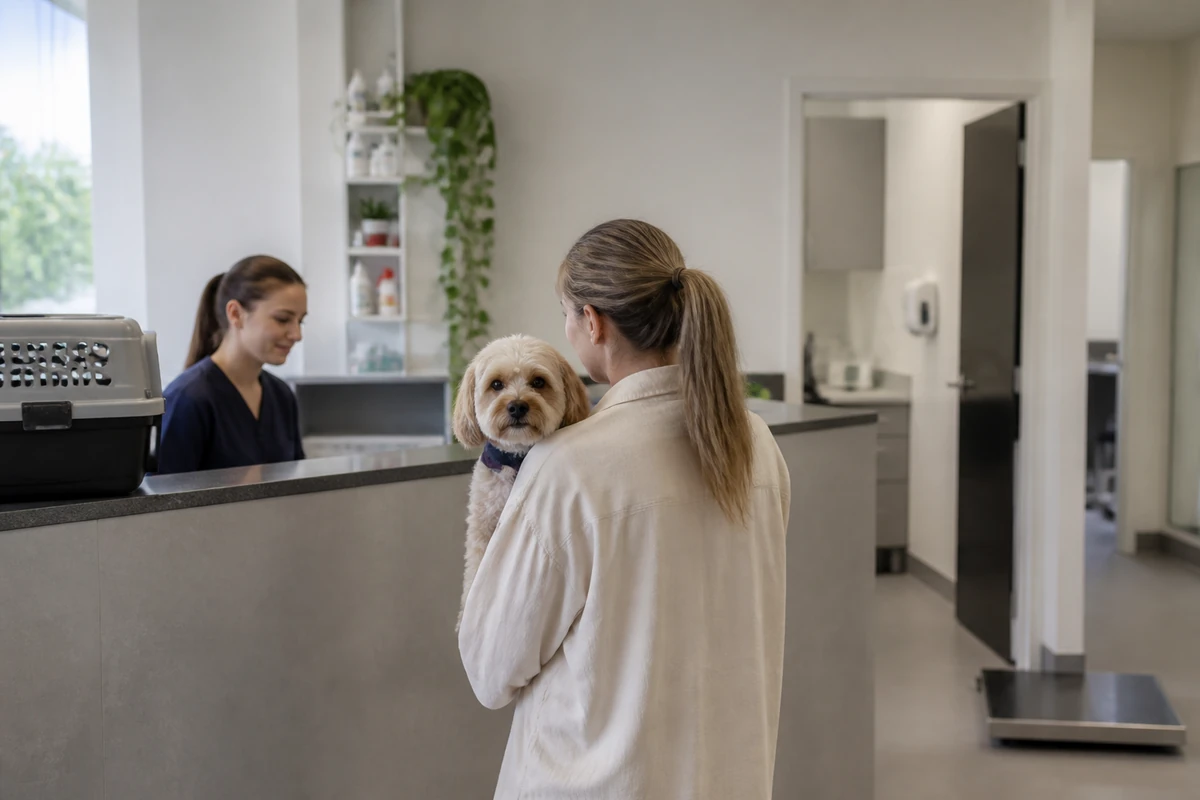
When pet owners need a vet, they do not spend long comparing ten clinics. They search, scan, tap and contact the practice that looks most relevant, most trusted and easiest to book.
That is the real opportunity. Google can send your clinic people who are ready to call, request an appointment or book online. But only if your website, Google Business Profile and booking path make that next step simple.
For Australian clinics, this is not just about showing up for your clinic name. It is about appearing when someone searches for puppy vaccinations, cat dental cleaning, desexing, skin allergies, emergency vet near me or after-hours animal hospital. If your practice is hard to find, hard to trust or hard to contact, those enquiries go elsewhere.
This article breaks down the practical steps that help vet clinics turn local search demand into real enquiries. If you want the broader strategy behind vet clinic SEO support, start there. Here, we will focus on what actually helps pet owners take action.
Think like a pet owner, not a marketer
Most vet clinic websites are built around what the clinic wants to say. The stronger sites are built around what the pet owner needs to do.
That means answering questions fast:
- Do you treat the issue I have?
- Are you close to me?
- Can I trust your team?
- Are you open now?
- Can I book without chasing you?
If your website or Google listing does not answer those points quickly, enquiry rates drop. This matters even more on mobile, where people are often searching in a hurry.
A pet owner with a limping dog does not want to dig through a vague services page. They want a clear path to help. A cat owner looking for dental treatment wants to know you offer it, where you are, and how to book. Relevance and speed matter.
Build proper service pages that match real searches
One of the biggest missed opportunities on vet clinic websites is weak service coverage. Many clinics list everything on one broad page and expect Google and pet owners to sort it out. That rarely works well.
Strong service pages help in two ways. They improve your chance of appearing for specific searches, and they give visitors a focused page that makes it easier to enquire.
Your clinic should usually have separate pages for core services such as:
- Vaccinations
- Desexing
- Dental care
- Puppy and kitten care
- Diagnostics
- Surgery
- Emergency or urgent care
- Senior pet care
- Skin and allergy treatment
- Parasite prevention
Each service page should be written in plain English. Explain what the service is, when a pet owner might need it, what happens at the appointment and how to take the next step.
Good pages also reduce friction. If someone lands on your desexing page, they should not have to hunt for a phone number or booking button. Put the action front and centre.
What a strong vet service page should include
- A clear headline that matches the service
- A short opening that confirms who the service is for
- Common symptoms, needs or concerns
- What the appointment usually involves
- Why pet owners choose your clinic for that service
- Suburbs or local areas you commonly serve where relevant
- Simple booking options
- FAQs that remove hesitation
For example, a page about pet dental care should talk about bad breath, tartar, pain, eating issues and the value of early treatment. It should also make the next step obvious, whether that is a call, a booking form or an appointment request.
Your Google Business Profile can drive calls on its own
For many clinics, Google Business Profile is the first impression. In some cases, it wins the enquiry before the website visit even happens.
That is why it needs active management, not a set-and-forget setup.
Your profile should have accurate basics at all times:
- Clinic name
- Address
- Phone number
- Opening hours
- Website link
- Booking link if available
- Correct business categories
Then go further. Add real photos of the clinic, treatment rooms, team and signage. Write a useful business description. Keep holiday hours current. Make sure the primary category reflects what you do.
If you offer urgent appointments, after-hours support or emergency care, be very careful about how that is presented. It needs to be accurate. Misleading pet owners at a stressful moment damages trust fast.
Google also rewards completeness and consistency. A well-kept profile helps Google understand your clinic and helps pet owners feel confident enough to contact you.
If you want to go deeper on this, our next guide is Google Business Profile Tips for Veterinary Clinics.
Reviews do more than build trust
Reviews influence two decisions at once. They can affect how often your clinic is considered, and they can affect whether a pet owner actually contacts you.
In practice, pet owners often compare clinics quickly. They look at star ratings, review count and the tone of recent feedback. A clinic with recent, specific and credible reviews usually feels safer than one with sparse or outdated feedback.
The key is not chasing reviews in bursts. It is building a steady process.
Better review habits for vet clinics
- Ask after positive visits, not months later
- Make it easy with a direct review link
- Encourage honest detail without scripting responses
- Respond professionally to both positive and negative reviews
- Share reviews with the team so the habit sticks
The best reviews often mention a real service or situation. For example, a pet owner might mention help with an anxious dog, prompt treatment for a skin issue or compassionate care during an urgent visit. That kind of detail helps future searchers decide.
Reviews also support service relevance. If people repeatedly mention dental treatment, surgery, emergency care or puppy vaccinations, that reinforces what your clinic is known for.
Emergency and after-hours searches need a different approach
Emergency-related searches are high intent. They can also be high stress. That means your clinic needs absolute clarity.
If you offer emergency or urgent care, create a dedicated page for it. Do not bury this information in a general services list. The page should answer:
- What counts as an emergency
- When to call immediately
- Your emergency opening hours
- Whether appointments are required
- What to do after hours
- Your clinic location and contact details
If you do not offer emergency care after hours, say so clearly and direct people to the right option. This is better for pet owners and better for your clinic. It avoids wasted calls, frustration and poor experiences.
Urgent searchers are often on mobile and ready to act within seconds. Make the phone number obvious. Make directions easy. Keep wording direct. In this situation, clarity beats clever copy every time.
Make your booking path friction-free
Getting found is only half the job. If the path to enquiry is clunky, search traffic will not turn into appointments.
Vet clinics often lose leads because the booking journey is harder than it should be. Common problems include broken forms, hidden contact buttons, slow mobile pages, unclear service options and online systems that ask for too much before a booking can begin.
Your job is to reduce effort.
What a better booking path looks like
- A visible phone number on mobile
- A clear book now button in the header
- Service pages linked directly to the right booking step
- Short forms for appointment requests
- Fast-loading pages
- Clear wording around urgent care, standard consults and follow-ups
If you use an external booking platform, test it often. Does it load properly on iPhone and Android? Can a pet owner complete the process quickly? Does it explain available appointment types clearly? Does it create confidence or confusion?
Even small changes can improve enquiry rates. For example, changing a vague button like Contact Us to Book a Vet Appointment can make the action clearer. So can putting call buttons higher on key pages.
Use local relevance without making your site messy
Most vet clinics serve a mix of nearby suburbs, not just one postcode. Your site should reflect that naturally.
You do not need dozens of thin suburb pages to do this well. In many cases, it is better to build strong service pages and mention the areas you commonly serve where it makes sense.
Examples include:
- Mentioning nearby suburbs on your contact page
- Adding local context on service pages where relevant
- Using location details in your Google Business Profile
- Including accurate maps, directions and parking info
This helps pet owners quickly confirm that your clinic is convenient. It also helps Google connect your clinic with local intent.
For multi-location practices, each clinic should have its own location page with unique details. Do not clone the same content across every suburb and just swap the place name. That creates weak pages and a poor user experience.
Do not ignore mobile experience and site speed
Many vet clinic searches happen on phones. That includes urgent searches, navigation checks and appointment research outside business hours.
If your mobile site is slow, cramped or confusing, people leave. Not because they dislike your clinic, but because they need an answer now.
Check the basics:
- Pages load quickly on mobile data
- Tap targets are easy to use
- Phone numbers are clickable
- Text is readable without zooming
- Key actions appear before long blocks of text
- Forms work properly on mobile devices
Technical issues matter too. Broken pages, duplicate title tags, poor internal linking and indexing problems can all reduce how well important pages perform. A clean website structure helps Google understand your services and helps pet owners move through the site without getting lost.
Track what actually leads to appointments
Many clinics know they want more enquiries from Google. Fewer know which pages, searches and actions are creating them.
That is where tracking matters. Not vanity metrics. Real actions.
At minimum, vet clinics should know how many people:
- Call from the website
- Click the booking button
- Submit an appointment form
- Use mobile call links
- Visit from Google Business Profile to the site
Once you can see that, patterns become obvious. You may find your dental page brings strong booking intent. You may discover your emergency page gets traffic but poor conversion because the phone number is buried. You may learn that one clinic location gets far more calls from Google Maps than another.
Those insights help you fix weak points and invest in what already works.
Content should answer buying questions, not just pet health questions
Educational articles have a place on a vet website. But if every blog post is about symptoms and none support enquiry decisions, you miss commercial value.
Good content for vet clinics often sits close to real booking intent. Think topics like:
- When to book a dental check for your dog
- What to expect from puppy vaccination visits
- Signs your cat may need urgent care
- How often senior pets should have health checks
These topics help pet owners self-identify, then move toward contacting your clinic. The article should naturally guide them to the relevant service page or booking step.
That is the difference between content that fills space and content that supports enquiries.
What vet clinic owners should fix first
If your clinic wants more calls, bookings and appointment requests from Google, start with the high-impact basics.
- Improve your Google Business Profile with correct categories, hours, photos and booking links.
- Create or upgrade service pages so each major treatment area has its own focused page.
- Make booking easier with visible calls to action, clickable phone numbers and simple forms.
- Build a review process that brings in steady, recent feedback.
- Handle emergency intent clearly with accurate urgent care information.
- Check mobile usability so pet owners can contact you fast.
- Track enquiries so you know what is producing real results.
None of this is theoretical. These are practical changes that help local search turn into clinic enquiries.
Final word
Google does not send value to vet clinics just because they have a website. It sends opportunities to clinics that match real searches, build trust quickly and make booking easy.
If your practice wants better quality enquiries from local pet owners, focus on the pages, profiles, reviews and booking steps that drive action. Keep it clear. Keep it accurate. Keep it easy.
If you want help turning search demand into more calls and appointment requests, Sejuce Digital can help you plan the right next steps for your clinic.