
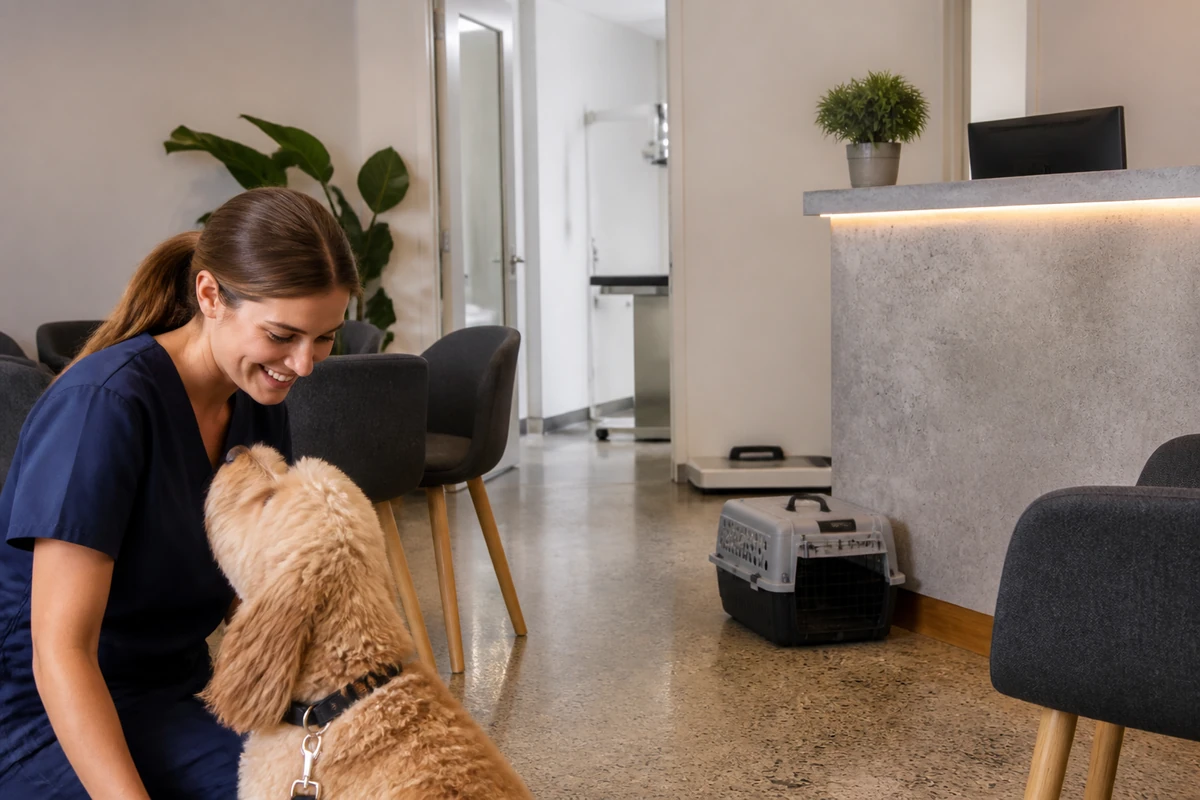
Pet owners do not choose a vet clinic the way they choose a cafe. The stakes are higher. They are handing over a much-loved animal, often when they are stressed, rushed or worried.
That means trust matters before they call. Before they book. Before they drive over.
For many clinics, that trust starts on Google. A pet owner sees your reviews, your clinic photos, your team photos and your recent updates. In a few seconds, they decide whether your practice feels credible, caring and organised.
If your profile looks stale, empty or vague, enquiries can slip away. If it looks active and reassuring, more people are likely to contact you.
This is where practical local search work pays off. Strong trust signals support better enquiry rates, especially when paired with the right vet clinic marketing and SEO support.
Why trust signals matter so much for vet clinics
Most pet owners are not experts in veterinary care. They cannot judge your surgical skill, diagnostic process or clinical standards from a quick search. So they use signals they can understand.
They look for proof that real people trust you. They look for signs that your clinic is clean, professional and welcoming. They want to see the people who may care for their pet.
That is why reviews and photos have such a strong effect on enquiries.
They answer silent questions like:
- Does this clinic seem caring?
- Does it look clean and modern?
- Will the staff be approachable?
- Do other pet owners recommend them?
- Does this place feel safe for my dog, cat or other animal?
For a vet clinic, trust is not a nice extra. It is part of conversion.
Reviews help pet owners feel safer about contacting you
Reviews are one of the first things pet owners check. Not just the star rating. The words.
They read for clues.
Was the receptionist helpful? Did the vet explain things clearly? Was the team calm during an emergency? Did the clinic show empathy when a pet owner was upset?
Strong reviews reduce uncertainty. That often leads to more calls, form enquiries and booking requests.
What pet owners notice in reviews
- Consistency across many reviews, not just one glowing comment.
- Recent feedback that shows the clinic is still delivering a good experience.
- Specific details about service, communication and care.
- Responses from the clinic that show professionalism and attention.
A clinic with many recent, specific reviews often feels more dependable than a clinic with a similar rating but little recent activity.
What kinds of reviews help most
The best reviews are natural and detailed. They mention real experiences. For example:
- how the clinic handled an anxious dog
- how quickly the team responded
- how clearly costs or treatment options were explained
- how friendly the nurses and front desk staff were
- how smooth the booking process felt
Those details matter because they mirror what the next pet owner is worried about.
Replying to reviews is part of trust building
Many clinics focus on collecting reviews and stop there. That leaves value on the table.
Review replies show that your practice is active, attentive and respectful. Even a short, thoughtful response can reinforce trust.
It also helps future pet owners see how your clinic communicates.
Good replies are:
- polite
- timely
- professional
- brief
- careful with privacy
You do not need to write a long essay. You do need to sound human.
For a positive review, thank the client warmly. For a negative one, stay calm, acknowledge the concern and invite an offline discussion where appropriate. Do not argue in public.
A measured response can soften the impact of a poor review and show other pet owners that your clinic handles issues responsibly.
Clinic photos do what words cannot
Photos remove doubt fast.
A pet owner might not read every page on your website. They will absolutely scan images. Photos give people a feel for your practice before they visit.
That matters because vet visits are emotional. If your clinic looks bright, clean and well run, it lowers the barrier to enquiry.
Photos that help most
- Exterior photos so people recognise the clinic when they arrive.
- Reception photos to show the first impression clients can expect.
- Consult rooms that look clean, practical and calm.
- Treatment or diagnostic areas where appropriate.
- Waiting areas that show comfort and organisation.
- Parking and access points if these are useful for local clients.
These images answer practical questions without the pet owner needing to ask.
They also reduce friction. If someone can picture the visit, they are more likely to take the next step.
Staff photos make the clinic feel more personal
People want to know who they are trusting with their pet.
Staff photos help turn a business listing into a real team. That can be especially useful for first-time clients, nervous pet owners and clinics competing in crowded suburbs.
A strong team photo or a set of individual headshots can make your practice feel more approachable.
Why staff photos work
- They show there are real people behind the clinic.
- They make the business feel warmer and less clinical.
- They help build familiarity before the first appointment.
- They support confidence in the front desk, nursing and veterinary team.
You do not need a glossy campaign shoot. You do need clear, professional, current photos that reflect your clinic well.
If your team has changed, update them. Old photos create confusion and make the practice look neglected.
Facilities photos can support higher-value services
If your clinic offers surgery, dental work, imaging, puppy school, cat-friendly areas, rehabilitation or after-hours care, photos can help communicate that clearly.
Many clinics mention facilities in text but never show them. That is a missed opportunity.
Pet owners often compare clinics quickly. A few well-chosen photos of equipment, treatment spaces or comfort features can help your practice feel more established and capable.
Examples include:
- dental equipment areas
- surgical prep rooms
- separate dog and cat spaces
- hospital wards
- rehabilitation or recovery areas
- pet weighing stations
The goal is not to overwhelm people with technical detail. The goal is to reassure them that your clinic is equipped to help.
Google Business Profile activity sends a strong freshness signal
Your Google Business Profile is not set-and-forget.
When a profile is active, complete and current, it gives pet owners more confidence. It also gives Google better information about your clinic.
Fresh activity can include:
- new photos
- review responses
- updated opening hours
- service changes
- holiday hour updates
- posts about clinic news or reminders
An active profile suggests the clinic is operating smoothly and paying attention. A stale profile with old photos and outdated details can create doubt.
This is especially important for vet clinics because urgent searches happen outside normal routines. If someone searches after work, on a weekend or during a stressful pet issue, they need clear and current information fast.
If your hours are wrong, your phone link is unclear or your profile looks abandoned, they may choose another clinic.
Trust signals help with urgent and high-intent searches
Not every pet owner is doing long research. Some are making a fast decision.
That is common for:
- sick pets
- minor emergencies
- new residents looking for a nearby clinic
- owners needing same-day advice
- people comparing two or three clinics on mobile
In those moments, trust signals can tip the decision.
A strong profile with quality reviews, clear clinic photos and visible staff can create just enough confidence to earn the call.
If you want to see how urgent search behaviour often turns into contact, read How Emergency Vet Searches Turn Into Calls.
What weak trust signals look like
Some clinics are doing solid clinical work but losing enquiries because their public presentation feels incomplete.
Common issues include:
- very few reviews
- old reviews with no recent activity
- no replies from the clinic
- blurry or random photos
- no staff photos
- missing treatment or facility images
- outdated opening hours
- low-quality user-uploaded photos becoming the main impression
None of these problems mean the clinic is poor. But they can make the practice look less trustworthy than it really is.
That affects enquiries.
How to improve reviews without being pushy
The best review strategy is simple and consistent.
Ask at the right moment. Make it easy. Keep the tone warm.
Good times to ask include:
- after a positive consult
- after a successful treatment outcome
- after a helpful follow-up call
- after a new client says they were happy with the visit
You can ask in person, by SMS or by email. The message should be short. Staff should know when to ask and how to ask naturally.
Avoid sounding scripted or desperate. A straightforward request works better.
For example, a receptionist might say that reviews help other local pet owners feel confident choosing the clinic.
That is true, and it frames the request well.
How to improve clinic photos without overthinking it
You do not need hundreds of images. You need the right set.
Start with the basics:
- front of clinic
- reception
- waiting area
- consult room
- team photo
- individual staff photos
- one or two facilities images
Then update over time.
Keep the style consistent. Use good light. Make sure spaces are tidy. Avoid clutter in the background. If a room has old signage, damaged furniture or visible mess, fix that before taking photos.
Photos do not need to feel corporate. They should feel real and professional.
Make sure your website and profile tell the same story
Your reviews and photos work best when they match the rest of your digital footprint.
If your Google Business Profile shows a modern, caring clinic but your website is thin, outdated or missing key service pages, trust can break down.
Pet owners often move from your profile to your website before they enquire. They want consistency.
That means your website should clearly explain your services, team, location and booking options. If you are planning improvements there too, this guide on What Pages Should a Vet Clinic Website Have? is a useful next step.
Practical trust checks every clinic should make
If you want more enquiries from local pet owners, review your clinic as if you were a first-time client.
- Do you have recent reviews?
- Do your reviews mention care, communication and professionalism?
- Are you replying to reviews consistently?
- Do your photos make the clinic look welcoming and current?
- Can people see your team?
- Can people see your facilities?
- Are your hours accurate?
- Does your profile show recent activity?
- Does your website support the same message?
These are not cosmetic details. They influence whether a search turns into an enquiry.
Where clinics often need outside help
Many practice owners know these details matter. The challenge is making them happen consistently while running the clinic.
That is where structured support helps. You need a plan for profile updates, review processes, photo selection, website alignment and enquiry tracking.
For clinics that want experienced help with strategy and implementation, working with an search optimisation support in Sydney can make sense when local search performance is a priority.
Small trust improvements can lead to more enquiries
You do not need a full rebrand to improve response from Google.
Sometimes the biggest wins come from simple fixes:
- asking for reviews more consistently
- replying to existing reviews
- adding better clinic and staff photos
- showing facilities clearly
- keeping your Google Business Profile active
These changes help pet owners feel comfortable faster. That can mean more calls, more booking clicks and more enquiry form submissions from people who were already close to choosing a clinic.
If your vet practice wants more local enquiries, start by improving the signals that build trust before a client ever speaks to you.
Need help turning Google traffic into real clinic enquiries? Review your trust signals, tighten up your profile and make sure your website supports the same message.